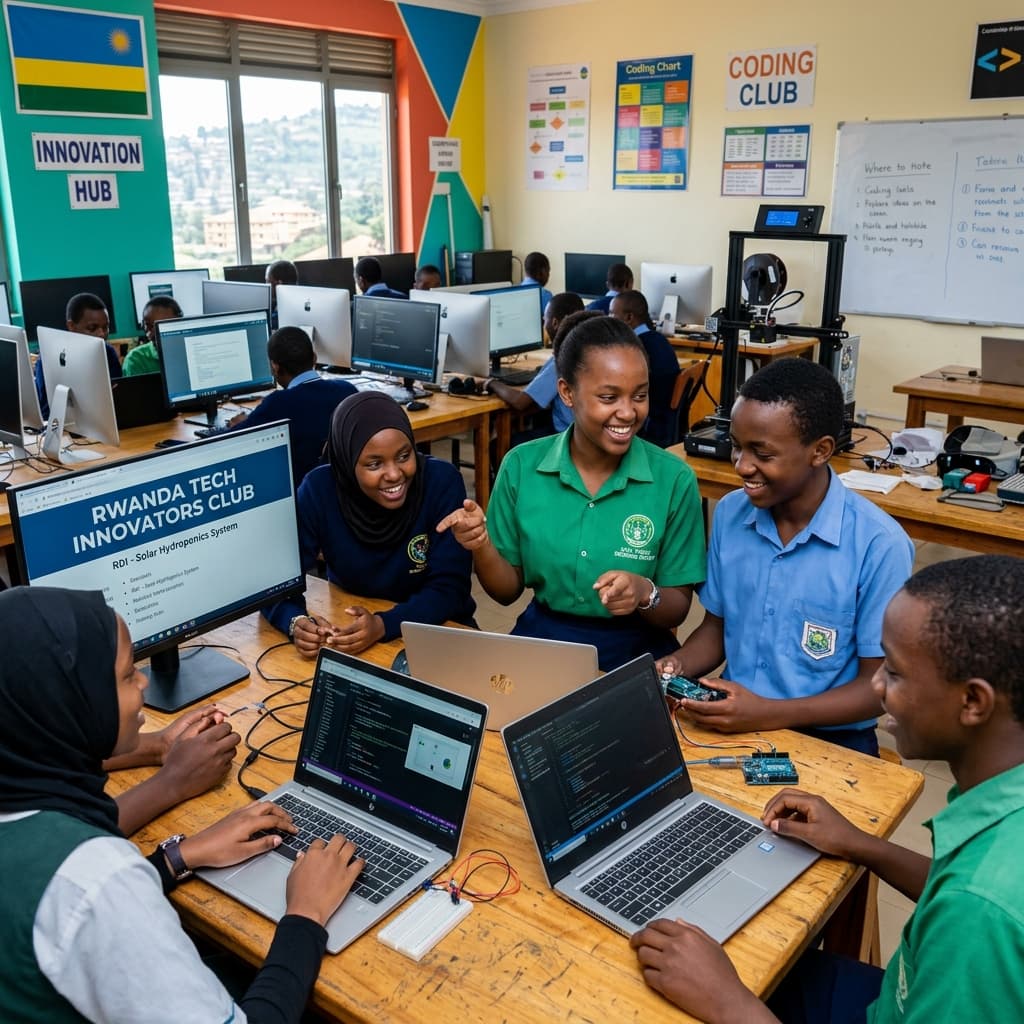
A club in every school
Each club is the school's own team on the platform, with its own members, leaderboard and hackathon teams.
Members approved by their teacher
A student lead to help run it
A teacher patron who signs off teams
SolvitClubs gives secondary schools and TVETs a coding club: courses where every exercise runs real code, Arena challenges, and hackathons approved by teachers. Every pass adds to the student's own record.
Already have an account?
Log in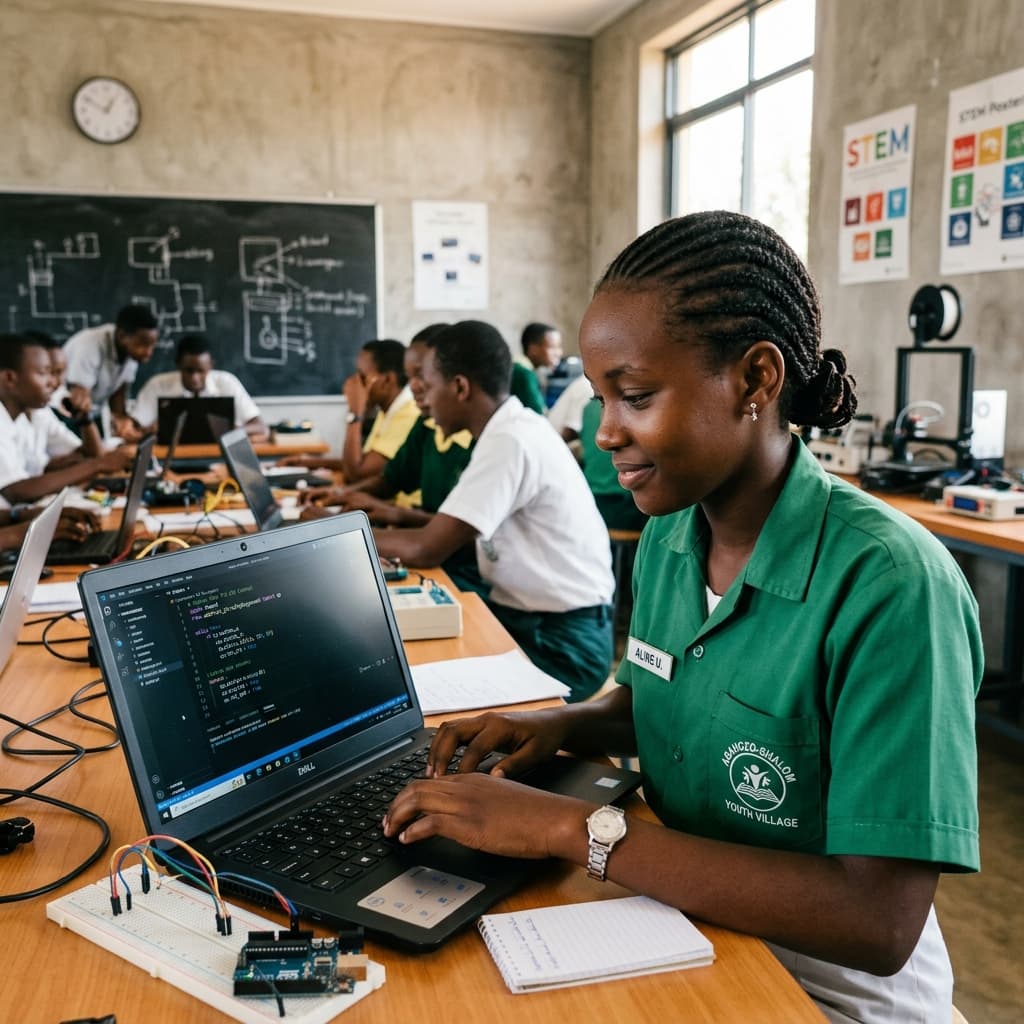
Collapse a list
All checks passed
Every course is checked by running the student's code.
Students learn and compete. Teachers approve and guide. Choose who you are to see your three steps.
Sign up with your school. Your teacher patron approves your account, so everyone in the club is a real student from your school.
Work through courses from HTML & CSS to Java and TypeScript. Every exercise runs your code and tells you exactly which check failed and why.
Solve Arena challenges, enter hackathons with your team, and keep every approved result on your portfolio from S4 to S6.
Students write code in the browser. It runs on SolvitClubs' own sandbox against the exercise's tests, and the result is saved to their account the moment it passes. Watch one exercise from first try to pass:
A real exercise from the JavaScript course. The first attempt fails one check because average([]) returns NaN; the student fixes it, and every check passes.
Code is run and graded on the server, not in the browser, so a result cannot be edited or faked from a laptop.
Some checks are never shown, so passing means the code works, not that it was shaped to fit the examples.
A failed check says what was expected, so students fix their own code instead of waiting for help.
That is what makes a hackathon result on SolvitClubs worth more than a line on a CV. Here is how a team gets from idea to result:
Members of a school's club put a team together for an open hackathon.
The school's teacher patron signs the team off before it is allowed to compete.
The team builds its project and submits it on the platform before the deadline.
Placements are added to the portfolio of every member of the team.
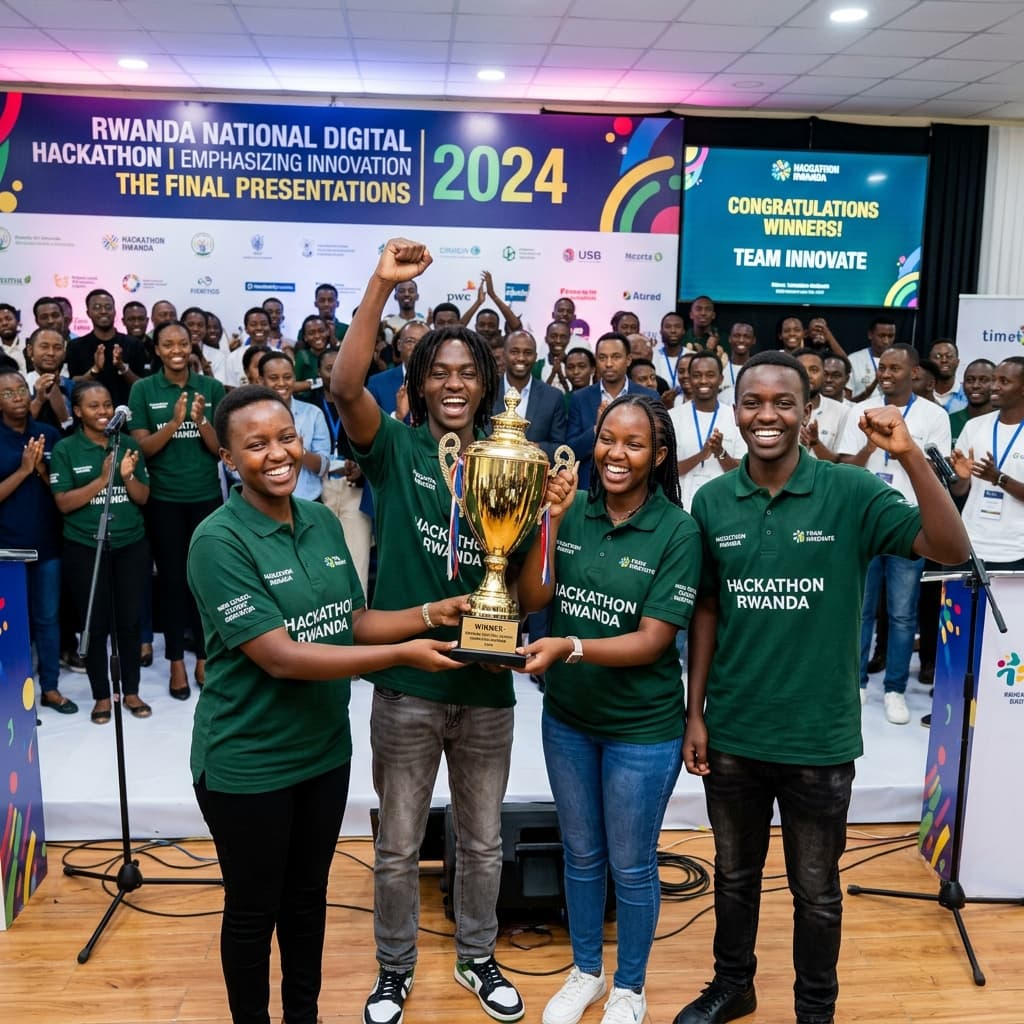
Each club belongs to a real school with a teacher patron. Everything its students do there adds up to one record that follows them from S4 to S6.
Each club is the school's own team on the platform, with its own members, leaderboard and hackathon teams.
Members approved by their teacher
A student lead to help run it
A teacher patron who signs off teams

Each student's portfolio collects the evidence of what they can do:
Certified courses, grouped by skill
Best result on every exercise and challenge
Approved hackathon teams and placements
Portfolios are visible only to signed-in members of the platform. Most students are under 18, so nothing is published on the open web.
Teachers and school representatives can claim their school today. Students sign up once their school is on the platform.
Supporting schools as an organisation?
See Partnerships